
Location

India, Haldia

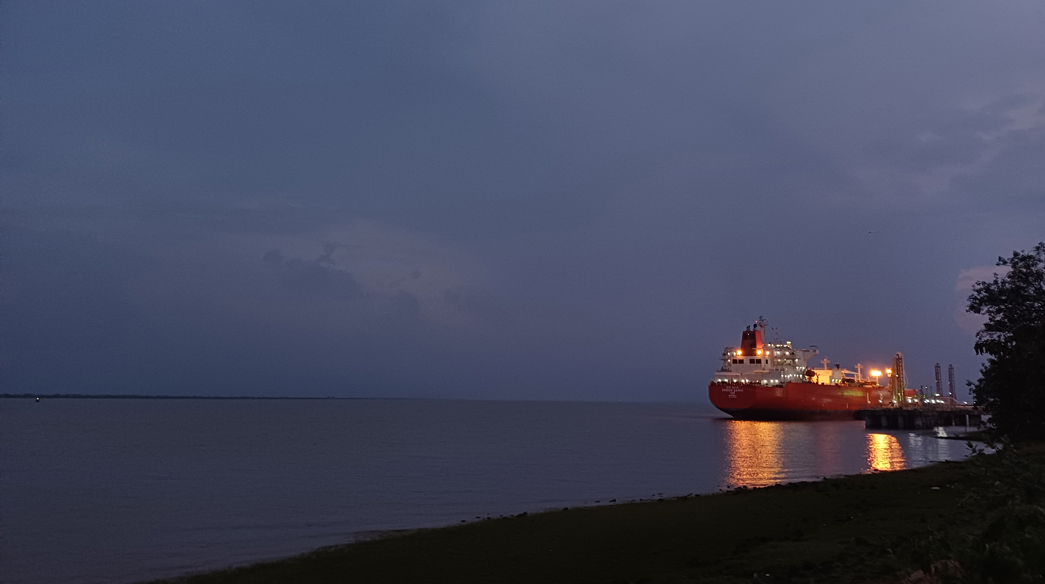
The Haldia Industrial Region, a sprawling more than 350 sq.km complex in Purba Medinipur, West Bengal, is home to a dense cluster of petrochemical, refining, and chemical plants.
Overview

India, Haldia

The Haldia Industrial Region, a sprawling more than 350 km2 complex in Purba Medinipur, West Bengal, is home to a dense cluster of petrochemical, refining, and chemical plants—including Haldia Petrochemicals, Tata Chemicals, Exide, Mitsubishi Chemicals, IOC refinery among many others.

Over the past two decades, unchecked industrial effluents have contaminated the Hooghly-Haldi river system, killing & driving away fish, and drastically reducing the local fisherfolk’s daily catch. The rivers, which carry rich silt, meets the Bay of Bengal 90 km downstream. The confluence of the two rivers means that this was once a fertile breeding ground for the fish. Today, heavy metals—such as lead, cadmium, chromium, zinc, and copper—have been detected in fish and shrimp, posing serious health risks to people who rely on them for food and income. Air pollution remains persistently poor, with Haldia designated a "non-attainment" zone alongside Kolkata and Durgapur for exceeding safe PM2.5/PM10 levels. Local communities report skin ailments, respiratory issues, and fishers describe foul-smelling catch and vanishing livelihoods despite efforts to control the pollution.

While state authorities have been approached to investigate the matter and hold consultations with the small-scale fishers affected, there has not been any study conducted or efforts to engage with the affected people. Residents and those whose livelihoods are dependent on the rivers continue pleading for stricter enforcement, timely effluent monitoring, and sustainable solutions before irreversible damage is done to both the ecosystem and human health.

Preview
The site refused to load in an iframe.

Open in a new tab.

Community Stories

India, Haldia
Lives Along a Polluted River: A Tour of Haldia Industrial Region, West Bengal, India
Story map preview
The site refused to load in an iframe.

Open in a new tab.
Haldia Industrial Region
Haldia is an industrial city in the East Medinipur district of the state of West Bengal. The Haldia Industrial region is 350 Sq km big. The development of the Haldia region through industrialisation looks like this. Industries on either side of the roads, Trucks and heavy vehicles queuing up and adding to the pollution from the industries. Houses next to polluted canals. The stench from the toxic waters fills the local markets.
Story map preview
The site refused to load in an iframe.

Open in a new tab.
Haldia Industrial Region
The Hooghly river is the westernmost distributary of the Ganga River, which flows from the Himalayas. Haldi and Rupnarayan rivers flow into the Hooghly before it meets the Bay of Bengal. The river is a lifeline for small-scale fishers and for the marginal farmers. It bears witness to the vast stretch of the Port, industries, infrastructure projects, and the fragile ecosystem in the Haldia region. The rich, fertile waters of Hooghly are breeding grounds for fish, and over the years, these waters have become polluted with water from the canals of the Haldia industrial region.
Story map preview
The site refused to load in an iframe.

Open in a new tab.
Affected Communities
Sheikh Qutub, a local fisherman, relies on fishing to sustain his family. In earlier times, the river yielded good catches. Today, however, plastic and other waste have taken over the waters, damaging nets and filling them with more garbage than fish. On most days, they pull in just 5–10 kilograms of fish along with at least two gunny bags of plastic waste. Earnings from fishing have dropped drastically. Forced to sell his boat, he now fishes on makeshift boats and close to shore using a gill net. He points to a nearby Mitsubishi plant, along with other industries such as IOC and HP, blaming them for polluting the water and worsening the decline in fish quality and availability. Where once he caught 10 kilos a day, he now barely manages two. Still, he persists—hauling in his net, cleaning it, and setting out again, clinging to a livelihood increasingly choked by pollution and neglect.
Story map preview
The site refused to load in an iframe.

Open in a new tab.
Affected Communities
For decades, the river sustained local livelihoods, especially fishing, but rampant pollution from nearby petrochemical companies has turned it toxic. Wastewater and sludge are regularly dumped into the canal, contaminating the water and killing fish. Many have abandoned fishing altogether. A constant flow of dark, foul-smelling wastewater—especially from a Mitsubishi pipeline—pollutes the river, making the water unsafe even to touch. Once drinkable, the water is now a cause of skin burns and illness, raising a grim question: if humans can’t survive this water, how can fish?
Story map preview
The site refused to load in an iframe.

Open in a new tab.
Affected Communities
Children who enter the river suffer skin burns and irritation, while plastic waste along the banks worsens contamination and gets stuck in fishing nets. Women fishers also develop boils from the polluted water, especially during the rainy season when companies release oil waste into the river. The police ignore the issue. Fish caught from the river often smell of petrol, making them hard to sell. Though the women warn customers about the source, they can’t tell which fish are contaminated until they’re cut or cooked.
Story map preview
The site refused to load in an iframe.

Open in a new tab.
Affected Communities
Before the construction of these jetties, the access route was deeper and supported smooth boat movement. The river also had abundant fish and effective netting, allowing fishers to sustain their livelihoods with ease. However, since the jetties were built around 4–5 years ago, the riverbed has been dredged and broadened, and water levels have dropped, making navigation difficult and reducing fish availability. Fishers say the government should do something to restore the river, but overall, the jetties have not improved their situation. instead, they have worsened their ability to fish and earn a living.
Story map preview
The site refused to load in an iframe.

Open in a new tab.
Affected Communities
The vast aquaculture farms operate on the banks of the Hooghly river. The water is sourced from the river. The same river, which is already polluted upstream due to canal discharges and industrial activities across the river. The farms primarily produce shrimp, and this is done with an eye on exports for the European markets. Over the years, stringent quality standards of import by these countries have hit the aquaculture industry hard.
Story map preview
The site refused to load in an iframe.

Open in a new tab.
Affected Communities
The fishers do land-based fishing on tidal waters and by casting nets. During high tide, the fish come in and get trapped in the nets. In a day, this happens twice. The primary catch in this type of fishing is anchovies, which are sold in the local markets after home requirements are met.

Take Action

Share this story on your social media
Coordinated by Media Collective - Programme for Social Action (PSA), and Purba Medinipur Matsyajeebi Forum, Branch of Dakshinbanga Matsyajeebi Forum (DMF)